
Shape your vision with professional furniture concept design in Karachi, turning creative ideas into distinctive furniture concepts with thoughtful proportions, practical details, and a style tailored to your interior.
Furniture concept design in Karachi transforms initial ideas into clear and purposeful furniture directions before production begins. Each concept considers room dimensions, furniture proportions, intended use, preferred style, materials, finishes, and how the piece will interact with the surrounding interior.
From statement living room pieces and bedroom furniture to office desks, storage units, dining furniture, and commercial furnishings, concepts can be developed around specific space requirements. Detailed visual planning makes it easier to refine shapes, functions, finishes, and overall character before manufacturing.
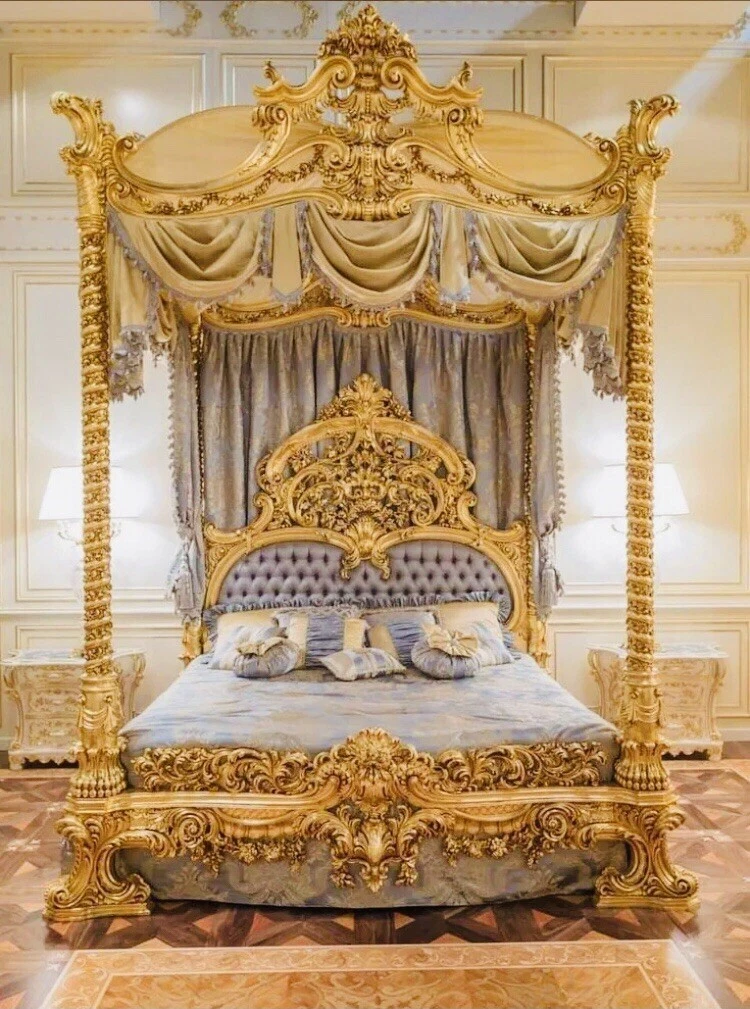
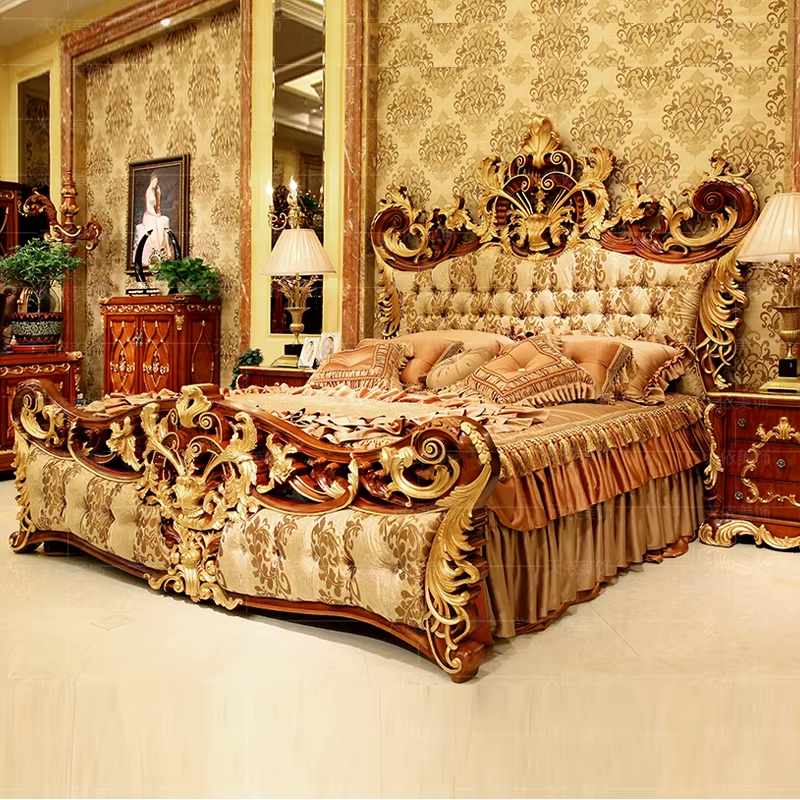
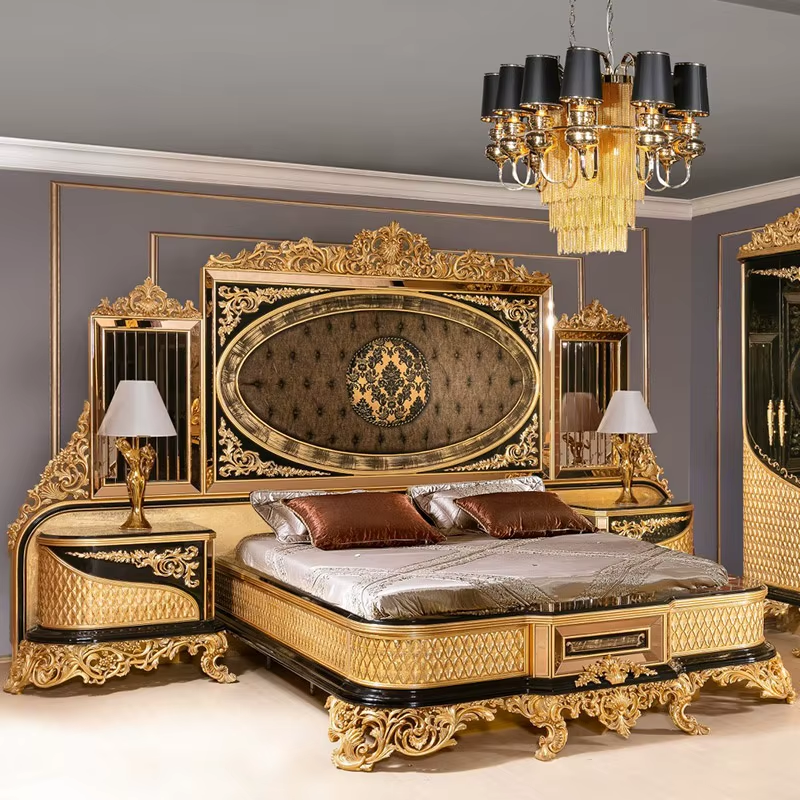
Furniture concept design turns early ideas into purposeful visual concepts by defining shape, proportions, function, materials, and style before production.
Initial furniture ideas can be developed into defined concepts that communicate the intended form, purpose, proportions, and visual character.
Surface finishes, upholstery, wood tones, textures, colors, and decorative elements can be explored to establish a cohesive furniture identity.
Furniture concepts consider storage, seating, movement, usability, and room requirements so the proposed design serves a practical purpose.
A carefully developed concept provides a strong starting point for creating furniture that feels individual and complements Karachi interiors.
Furniture concept design in Karachi develops original ideas around room character, practical use, proportions, materials, and visual direction before detailed production planning begins.
Initial concepts establish a distinctive furniture style that reflects the purpose and personality of Karachi residential or commercial interiors.
Ideas are shaped around dimensions, usability, visual balance, storage needs, and suitable materials for practical furniture planning in Karachi.
Concepts can be developed for individual furniture pieces while considering how each design will support the surrounding interior.
A strong furniture concept creates the foundation for a successful piece by bringing together creative thinking, functional requirements, proportions, finishes, and room context. Karachi clients can explore different directions before moving toward technical drawings and manufacturing decisions.
Explore furniture concept design in Karachi with answers about custom ideas, creative direction, materials, functionality, sketches, visualization, revisions, and planning.
Furniture concept design is the early stage where an idea is shaped into a clear direction covering form, purpose, proportions, materials, style, and visual character before detailed development or production.
A concept can begin with a sketch, photograph, room requirement, inspiration image, or simple description. These references are interpreted into design directions that can later be refined into a practical furniture proposal.
Yes, concept development is particularly useful for bespoke furniture. It allows unusual shapes, specific dimensions, storage requirements, decorative details, and personal design preferences to be explored before fabrication.
Concept work can cover seating, beds, wardrobes, consoles, dining furniture, office desks, cabinets, shelving, reception units, TV furniture, and coordinated collections designed for residential or commercial interiors.
Early planning helps clarify the intended appearance and function before production decisions are made. It can also reveal proportion, layout, material, and usability issues while changes are still easier to manage.
A new furniture concept can be developed around an existing interior palette, architectural character, lighting scheme, and furniture arrangement. This helps the proposed piece feel connected to the wider Karachi property.
Material selection considers appearance, intended use, construction requirements, maintenance, and budget. Wood, veneer, laminate, metal, glass, stone, upholstery, and mixed finishes can be explored according to the concept.
A concept establishes the visual and functional direction, while production drawings provide detailed information needed for fabrication. The concept normally comes earlier and guides the later technical documentation.
For furniture concept design near me, examine portfolios showing original furniture ideas rather than only finished products. Experience with proportions, materials, space requirements, and custom design development is especially useful.
Design fees depend on the complexity of the furniture, number of concepts, level of visual development, required dimensions, presentation details, and revision scope. A defined project brief helps establish the appropriate fee.
Yes, commercial furniture concepts can be planned around branding, user flow, durability, available space, operational needs, and visual identity. This makes concept development useful beyond residential furniture projects.
There is no fixed number because it depends on the project. Comparing a small selection of clearly differentiated directions can make it easier to identify the strongest combination of appearance, practicality, space efficiency, and budget.
Custom concepts can respond to awkward corners, limited floor space, specific storage needs, integrated functions, or unusual room dimensions. Designing around these constraints can produce furniture that uses the available area more effectively.
Prepare approximate dimensions, photographs of the space, intended furniture function, preferred style, reference designs, material preferences, color ideas, and budget expectations. Clear information gives the designer a stronger starting point.
Assess the designer's portfolio for originality, functional thinking, proportion, material awareness, presentation quality, and ability to develop ideas into practical furniture. A clear process for feedback and refinement is another important consideration.
Description
Design tips: Use soft lighting to enhance the mood.